CFD Simulation as Optional CRVA Evidence
Appendix A does not require CFD or building-scale modelling. The CRVA method is proportionate to the activity’s scale and expected lifespan and uses best available science. Where local wind or thermal conditions are material, CFD can provide optional project-specific supporting evidence.
The Challenge
For some material local wind or thermal questions, CFD can add site-specific detail to a proportionate climate assessment.
Weather Station Data
It covers regional averages. A station 5 km away cannot capture the wind tunnel between your buildings or the heat pocket in your courtyard.
Checklist Approaches
At best qualitative. "Is the site near water?" does not quantify flood risk. "Are there trees?" does not measure cooling effect.
Desktop Studies
Literature reviews and generic guidelines are useful for context, but they cannot account for the specific geometry and microclimate of your site.
What CFD Simulation Provides
3D Wind Flow Analysis
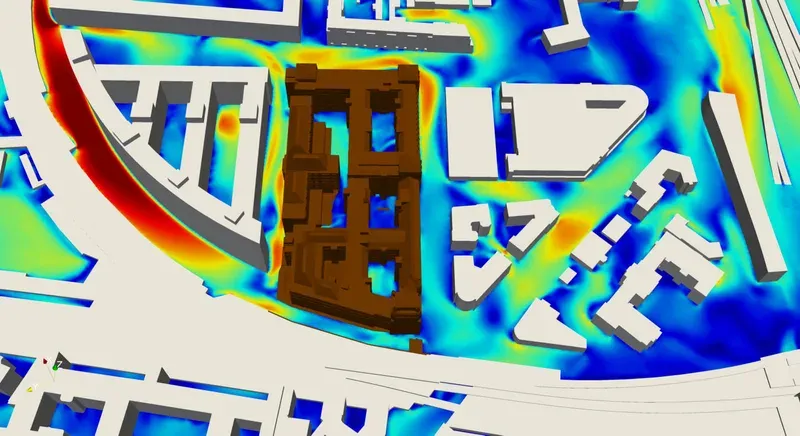
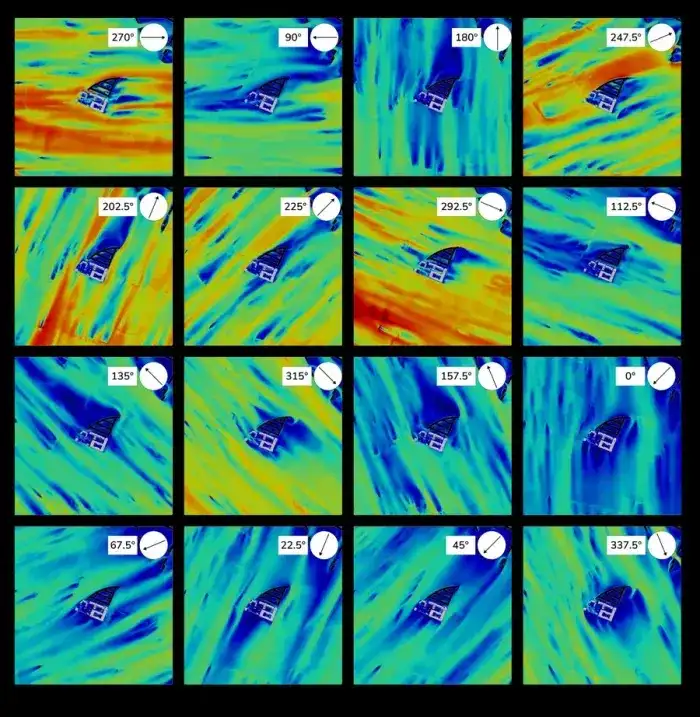
Wind speed, direction, and turbulence at every point around your buildings. Identifies wind tunnels and calm zones.
Thermal Comfort
Quantitative assessment of heat stress in outdoor areas, including PET and UTCI indicators.
Scenario Testing
Compare baseline and adaptation scenarios, including green roofs, trees, shading, or revised massing.
Documentable Supporting Evidence
Reproducible outputs can complement CRVA documentation when the method, data, assumptions, and limitations are recorded.
Where CFD Can Support a CRVA
Manual Assessment vs. CFD Simulation
Manual / Checklist
CFD Simulation
Where local microclimate is material, CFD may complement—not replace—proportionate climate projections, engineering judgement, and documented CRVA evidence.
Simulation Results in Practice
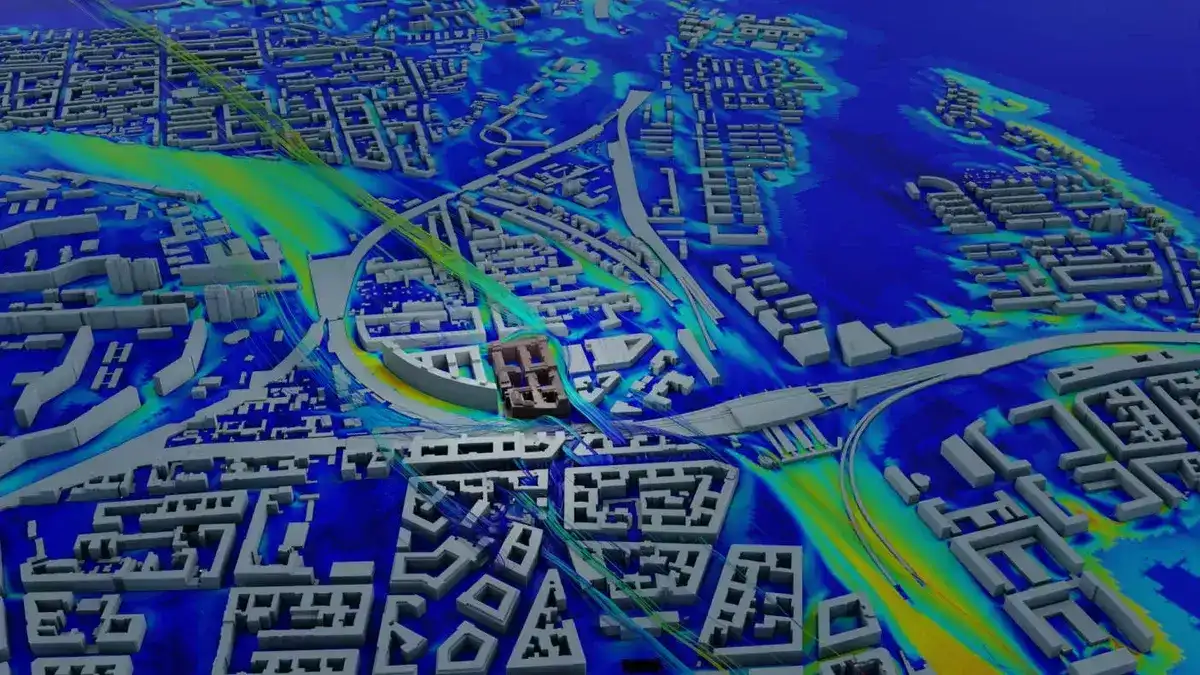
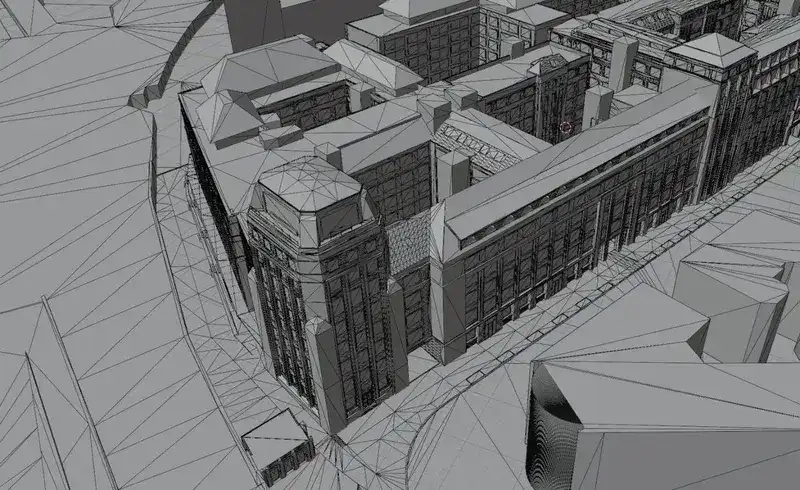
Real CFD analysis for pedestrian wind comfort around urban buildings, powered by the dicehub platform.
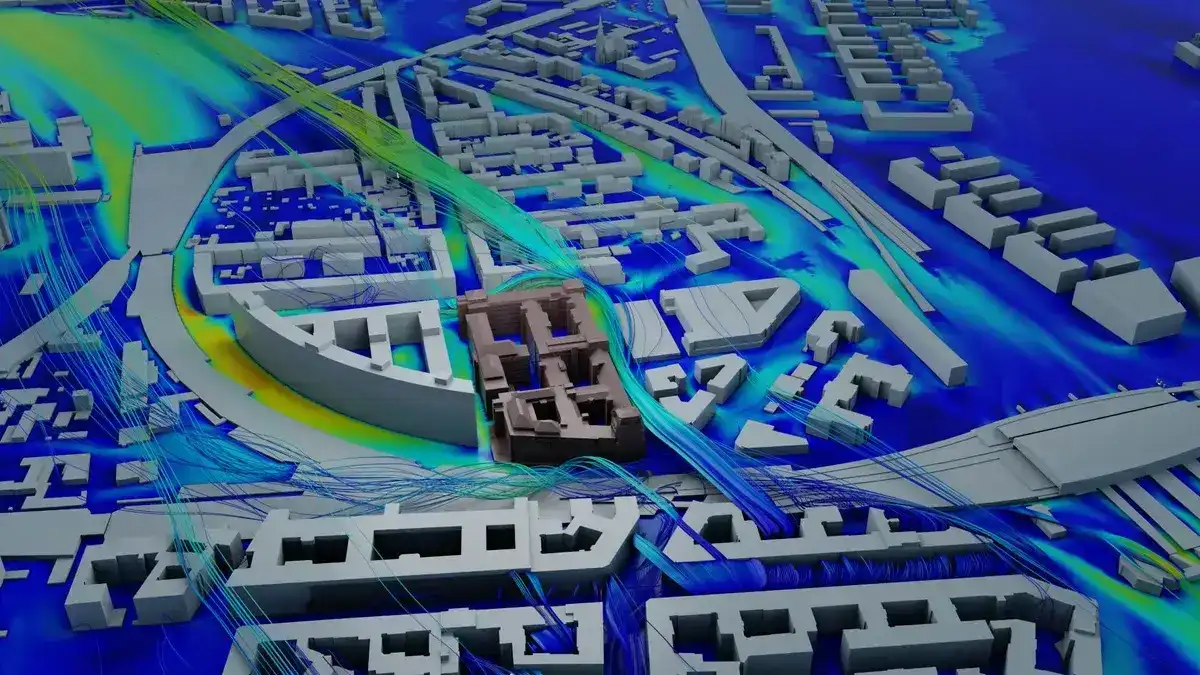
dicehub - Cloud CFD for Sustainable Cities
dicehub is a cloud-based CFD platform that makes microclimate analysis accessible. No software to install and no hardware to maintain - run simulations from your browser.