
Navigate the EU Taxonomy with Confidence
The definitive guide to the EU's classification system for environmentally sustainable economic activities. Understand what it means for your business, your buildings, and your investments.
What is the EU Taxonomy?
The EU Taxonomy is a classification system that defines which economic activities are environmentally sustainable. Established under the European Green Deal, it provides a common language for investors, companies, and policymakers.
Its purpose is to prevent greenwashing and redirect capital toward activities that genuinely contribute to environmental objectives - from climate change mitigation to biodiversity protection.
The official EU Taxonomy Compass lists 150+ activities across 16 sector groups. This guide currently publishes 77 activity pages across 13 guide sectors.
4 Alignment Conditions
6 Environmental Objectives
Every taxonomy-aligned activity must substantially contribute to at least one of these objectives while doing no significant harm to the others.
Climate Change Mitigation
Reducing greenhouse gas emissions and transitioning to clean energy
Climate Change Adaptation
Building resilience to physical climate risks through adaptation solutions
Water & Marine Resources
Protecting water quality and sustainable use of marine resources
Circular Economy
Resource efficiency, waste prevention, and recycling
Pollution Prevention
Preventing and controlling pollution to air, water, and soil
Biodiversity & Ecosystems
Protecting and restoring biodiversity and ecosystem health
Who Must Comply?
The EU Taxonomy applies to companies and financial institutions in scope of the Corporate Sustainability Reporting Directive (CSRD).
Non-Financial Companies
Companies in scope of CSRD must report the % of turnover and CAPEX aligned with each environmental objective.
Financial Institutions
Banks must disclose their Green Asset Ratio (GAR) - the share of taxonomy-aligned assets in their portfolio.
Asset Managers
Fund managers must disclose taxonomy alignment of products marketed under SFDR sustainability labels.
Reporting Timeline
Explore This Guide's Catalog
Browse this guide's published subset: 77 activity pages across 13 sectors. Use the official Compass for the complete 16-sector-group, 150+ activity inventory.
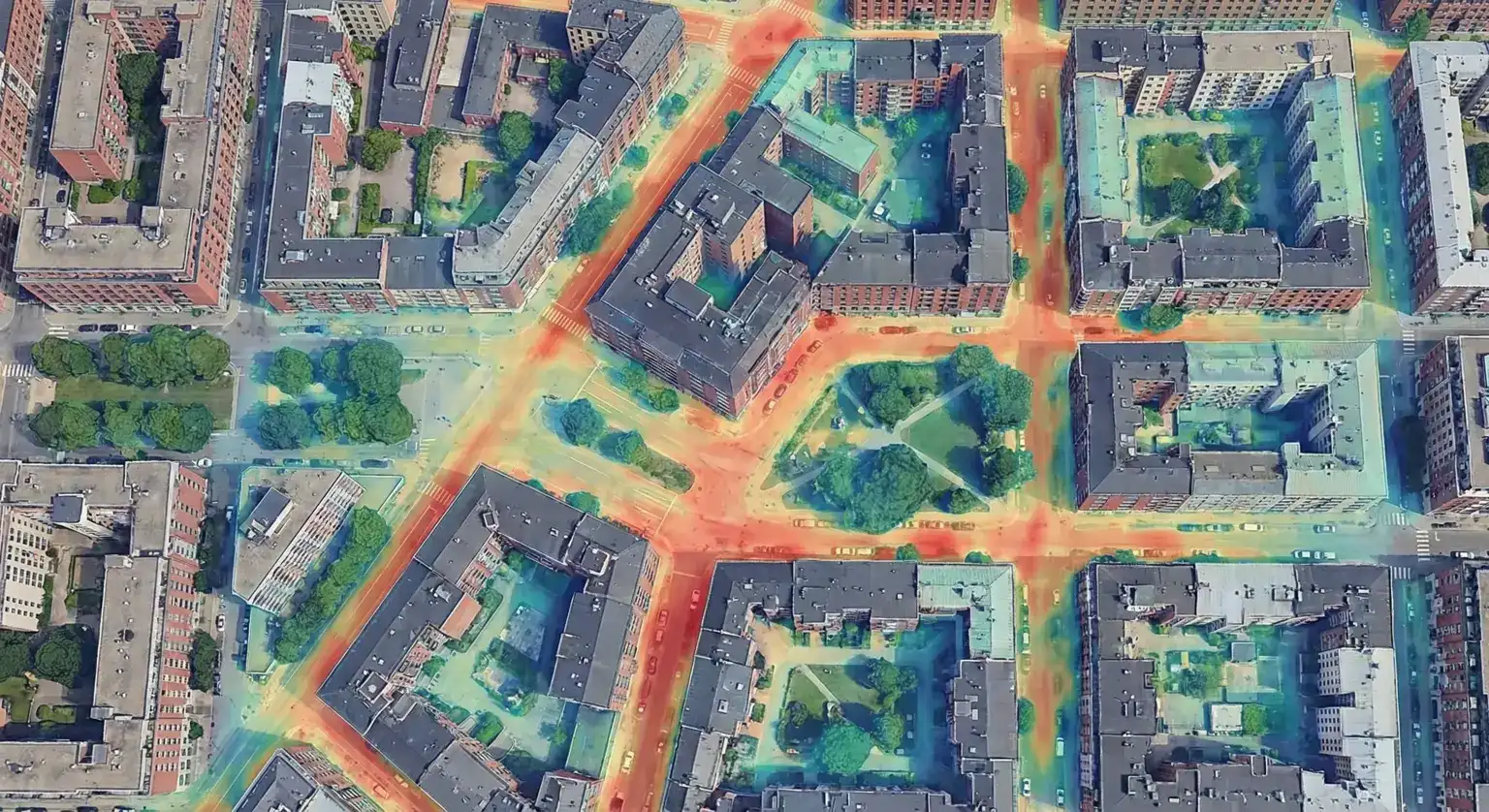
Need Microclimate Analysis?
Appendix A calls for proportionate, forward-looking climate-risk evidence. Where local conditions are material, CFD can add optional building-level analysis; it is not prescribed.